
May a Lawyer Use a Competitor’s Name as a Google AdWord?
The Professional Ethics Committee for the State Bar of Texas recently opined that a lawyer may use the name of a competing lawyer as a Google AdWord to generate favorable …

The Professional Ethics Committee for the State Bar of Texas recently opined that a lawyer may use the name of a competing lawyer as a Google AdWord to generate favorable …

Although the term “partner” typically denotes a person sharing in the ownership of a business enterprise, some law firms designate nonowner-lawyers as “partners,” “income partners,” or “nonequity partners.” Such designations …

Avvo Advisor is easy. A prospective client visits the website https://www.avvo.com/advisor, selects the legal services needed, pays Avvo a fixed fee, and Avvo arranges for an “experienced Louisiana lawyer” to return the prospective …

The New York State Bar Association recently clarified that a lawyer may concurrently represent clients who are competitors in the same industry—even when it would be in one client’s economic …

Yes, according to a recent ethics advisory opinion from the New York State Bar Association. See N.Y. State Bar Assoc’n Ethics Op. 1090 (2016). The issue considered by the New York …

No, according to a recent ethics opinion addressing whether a lawyer may disclose confidential information to respond to online criticism. See Bar Assoc. of Nassau County, Cmte. on Prof’l Ethics, Op. No. …

On May 4, 2016, the New Jersey Supreme Court Committee on Attorney Advertising published a “Notice to the Bar” regarding advertising of “awards, honors, and accolades that compare a lawyer’s …
The ABA Standing Committee on Ethics and Professional Responsibility on April 21, 2016, issued a formal opinion addressing whether a lawyer may share a legal fee on a matter when …

A lawyer who is a party to a legal matter may communicate directly with a represented adverse party without the consent of the adversary’s lawyer. See Prof’l Ethics Cmte. for the …
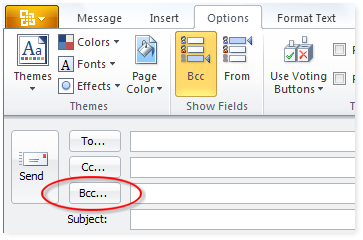
May a lawyer ethically send the lawyer’s client a blind copy of an email to opposing counsel where opposing counsel has objected to such practice? That is a question recently …